

Giving your ideas a fair chance means two things.
Firstly, and the thing that many creative folks struggle with, is not being too hard on yourself. Don’t prematurely judge (and then dismiss) an idea before it even has a shot of being decent. Get it out of your head and into reality. For writing this can mean a crappy first draft1. For songwriting it might mean a rushed voice note demo. In Product Design or software, the concept of Minimal Viable Product aims to get at this (don’t let perfect be the enemy of good). The main thing is to accept that all ideas have an infancy. For J.R.R Tolkien this was The Adventures of Tom Bombadil, an obscure poem written about an odd fellow falling in love with a river spirit and named after his daughter’s doll. That silly seed would go on to grow into The Hobbit, and then The Lord of the Rings2. By the way, exploring the infants of great art is a good way to feel less crappy about your crappy ideas. The mantra that I use to remember this is Luke Starkiller and Bingo Baggins. Those are the first drafts of Luke Skywalker and Frodo Baggins.
So the first rule for giving your ideas a fair chance is to let them out without judgement, you will have plenty of days or years to revise them into their full potential.
The second rule for giving your ideas a fair chance, and one that is in a kind of tension with the first, is not rushing to share an idea. By share, I mean with the world at large in a finalized form. The temptation to share an exciting idea once it bursts out of our heads is great. However, you should allow your ideas to steep and transform. Allow revisions, spontaneous decisions and directions, and time. You can certainly share your early ideas with those you trust. That will strengthen them, give you new ideas, and let you know how people who didn’t conceive the idea think about it. But, the point here is to not be too quick to call an idea final.
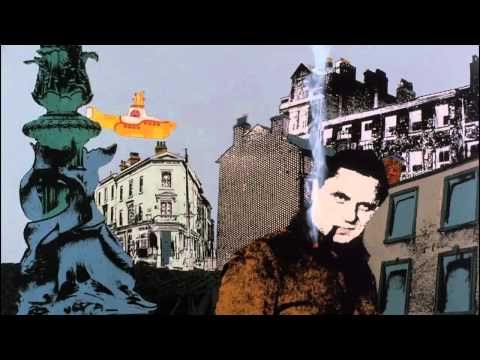
The reminder I use for this rule is Paul McCartney hunting for the perfect name to use in a tune he had stuck in his head for a while. He had the syllables he wanted to use (da-da-da da-da), but wanted the right name. He could have rushed it to get the song finished and come up with something decent (Daisy Hawkins perhaps?). But instead, he let it come to him. He decided on the first name Eleanor after working with the actress Eleanor Bron on the Help! film. But he still needed a last name…eventually he stumbled on an old shop called “Rigby & Evens Ltd, Wine & Spirit Shippers” and plucked the name Rigby out. If he had rushed it, we’d have Daisy Hawkins picking up rice in a church3.
So don’t judge your early drafts and let the drafts blossom before you record, publish, or ship them. When you tightrope that tension, you give your idea a fair chance.
- For more on this, check out Draft Number Four.
- Hardcore fans of Tolkien may note that Tom originated separately from the legendarium and was later added into the story, rather than being the early draft for it. While true, don’t forget how early Tom came to Tolkien. As well as Old Man Willow, Goldberry, and the Barrow-wight whom all appear in the legendarium.
- Daisy Hawkins was actually the original name of Eleanor Rigby.

 polymathematics
Leave a comment