
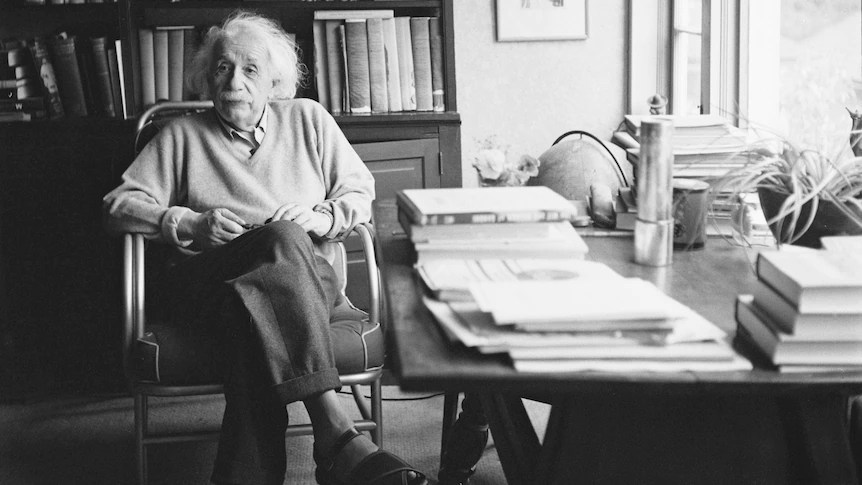
“Everything should be made as simple as possible, but not simpler” – Albert Einstein
In order to seem smart, most people make simple things complicated. In reality, smart people aim to make complicated things simple. This often involves getting comfortable seeming silly or uninformed in front of peers, usually with plain questions that aim to start from the ground up for a concept or project. These questions are often prefaced with phrases like “wait, just so I am understanding” or “hang on, I may have missed something but”. Some of the smartest people I have encountered do this very well, and when they do, it seems effortless and easy to adopt. But it isn’t. Because knowing which “obvious” questions to ask is tricky and changes for a given problem or project.
A useful mental tool I have started using on myself is explaining a concept I want to understand (or believe I already understand) aloud by myself, and seeing where I begin to slow down, add “umm”s or “y’know”s, or otherwise lose the thread. It can also work writing out the explanations as well, but something about having to vocalize it forces me towards real understanding rather than short term memorization. Try this with the most “basic” concepts (like a telephone, why leaves change color in the Fall, or how boats float for instance) and see how tricky it can be. Practicing in this way gives you a better shot at thinking through the important links in the chain for new challenges or concepts when you encounter them in real life. Reducing complicated things (like how a plane can fly or how the internet works) into smaller, simpler explanatory steps, is extremely powerful and rewarding. Each time you do it, you give yourself a better chance of putting things into your long-term memory and also grow the muscle to do it again for novel concepts or problems.
An additional benefit of approaching concepts or challenges in this way is that it makes almost everything more interesting. You get better at paying attention to just how magnificent seemingly boring or trivial things are (this was the brilliance of the show “How it’s Made”, which made sanitation genuinely gripping). For example, ponder sewage treatment. Many people would immediately be bored or assume they have no interest in this topic. But when you begin to explore each key concept within the broader concept, many wormholes begin to appear, and one of those wormholes may fascinate you in a way the overall topic would not have. For example, reading about decentralized versus centralized approaches may stoke curiosities amongst the libertarians, anarchists, or Web3 enthusiasts. Or learning about the history of wastewater treatment and how the ancients approached this may inspire a new idea. Hidden behind familiar descriptions for complex processes or technologies, one often finds a branching network of immensely strange and exciting new ideas.
Lastly, I want to say that I don’t think this should be understood as a process of simplifying a concept in order to make it more understandable (i.e “dumbing it down”, oversimplifying, or fibbing about complexity for the time being)*. It is the process of distilling truly complex things by organizing the key components, in a manner that simplifies understanding. This was the most valuable tool I got from my undergraduate degree in Chemical and Biomolecular Engineering: by framing a problem well (or simply), you can actually make finding a solution easier. That framing doesn’t make the problem any less complex in actuality, it simply makes solving the problem easier. The smartest people seem to be great at framing complexity simply.
———————————————————————————————————-
*Although, this approach does actually serve as a good starting place often times. This is what works so well about the Explain Like I’m Five tool popular online today.

 polymathematics
Leave a reply to Rough Drafts Instead of Resolutions – polymathematics Cancel reply